How to Choose the Right Canvas - Guide
Choosing a canvas can seem simple until you are standing in front of different materials, weights, textures, depths and sizes.
The canvas you paint on affects more than the finished appearance of a painting. It can also change how the paint moves across the surface, how much texture you can build, and how the finished artwork feels on the wall.
In this guide, I’m sharing the things I think are most useful to consider when choosing a canvas for acrylic painting.
Affiliate disclosure: This post contains affiliate links. If you purchase through one of these links, I may earn a commission at no extra cost to you. As an Amazon Associate, I earn from qualifying purchases.
1. Cotton or linen canvas?
One of the first choices is the canvas material itself.
Cotton canvas
Cotton is widely used because it is accessible, versatile and available in many different sizes and qualities.
For most acrylic painters, a good-quality cotton canvas is a very practical option.
It is especially useful for:
beginners
everyday studio work
experimenting with new ideas
medium and large paintings
artists who use a lot of canvases
Linen canvas
Linen generally has a stronger fibre and a distinctive surface that many artists enjoy working on.
It is often more expensive than cotton, so I tend to think of it as a more considered choice rather than something everyone needs to start with. However, I have not personally worked a lot with linen canvases.
This is a good place for you to add something personal, for example:
In my own studio, I usually work with [cotton/linen/both] because…
2. Look at how the canvas is primed
Most ready-made artist canvases are already primed, often with an acrylic-based gesso.
Priming creates a barrier between the fabric and the paint and gives you a suitable surface to paint on.
For acrylic painting, I normally look for a canvas that is already evenly primed.
Some artists like to add another layer or two of gesso themselves because it allows them to change the feel of the surface.
More gesso can create a smoother painting surface if it is lightly sanded between coats, while leaving more of the original texture gives the paint more tooth.
Artist tip If you dislike a very rough canvas surface, try adding another layer of gesso before buying completely different canvases. Sometimes the preparation makes a bigger difference than the canvas itself.
Here is a link to a good Gesso/Primer
3. Consider the texture
Not every canvas feels the same.
You will often see surfaces ranging from relatively fine to noticeably textured.
Fine texture
A smoother canvas can be useful for:
details
fine brushwork
portraits
clean edges
thinner applications of paint
More visible texture
A more pronounced weave can work beautifully for:
expressive painting
larger brushstrokes
layered acrylic
palette-knife work
paintings where surface texture is part of the finished piece
Then add your own approach:
I personally prefer [insert your preference], especially because my work involves [texture/layers/fine details/large brushstrokes/etc.].
4. Pay attention to canvas weight
Canvas fabric is available in different weights.
A heavier canvas is generally more substantial, but weight alone does not tell you whether a stretched canvas is good quality.
I also pay attention to:
how firmly the canvas is stretched
the quality of the stretcher frame
whether the corners look neat
whether the surface feels evenly tensioned
A very lightweight canvas can be perfectly useful for studies and experimenting, while I would generally choose something more substantial for artwork intended to be displayed or sold.
These are good to experiment with and find out which sizes you like - maybe choose a size for your next painting series.
Artist Tip: Spray some water on the back of the canvas before you start and let it dry - it will give you a more tight canvas (you can continue until you reached the tightness you like
5. Think about the finished painting before choosing the size


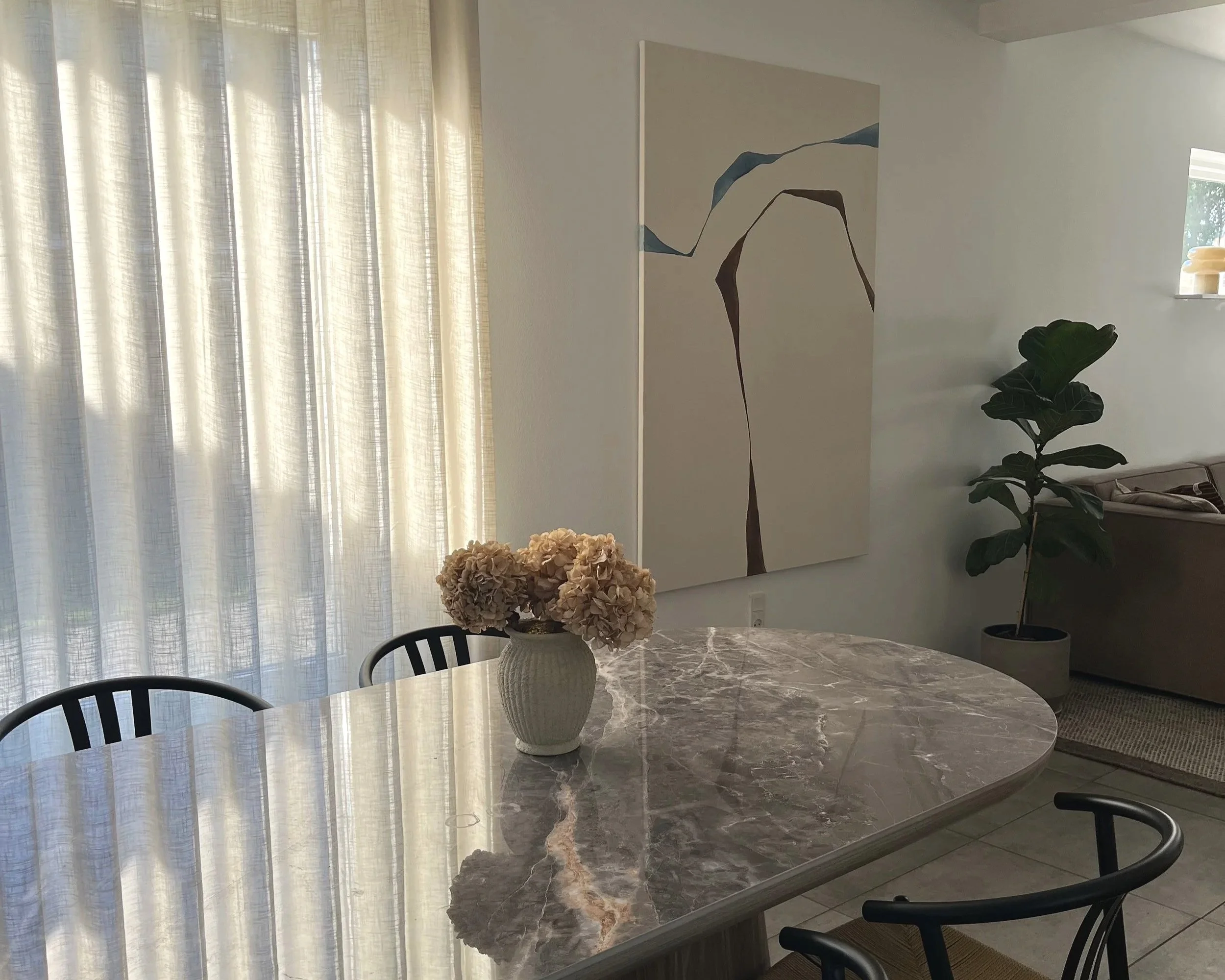
I wouldn’t choose canvas size purely according to price.
Think about what you want the painting to become.
A small canvas encourages a very different type of painting from a large one.
Consider:
the subject
the scale of your brushstrokes
where the artwork might hang
portrait vs landscape orientation
whether it will be framed
how much physical movement you like while painting
Larger canvases can be wonderful for loose, expressive work, but they also require more paint, more studio space and often larger brushes.
Smaller canvases are easier to store and can be very useful for experimenting with colour, composition and new ideas.
6. My canvas recommendations
A good everyday canvas
2x canvas 40×50
View on Amazon.de
A deeper canvas for finished artwork
Windsor & Newton deep edge canvas 30×30cm
View on Amazon.de
A canvas pack for experimenting
10x stretched canvases in different sizes
View on Amazon.de
There isn’t one perfect canvas for every artist. The right canvas is the one that suits the way you like to paint, the scale of your work and the result you want to achieve.
Experimenting with different surfaces is part of learning what works for you. Once you find the combination of texture, depth and size that feels natural, choosing canvases becomes much easier.